I’ve lost count of the times a project looked “green” until a permit queue or inspection slot quietly pushed crews idle across multiple sites. After years juggling emails, spreadsheets, and late meetings, I learned this: the earlier we see the weak signals, the fewer heroics we need. Digital visual management finally gave our teams one operating picture—clear ownership, fast handoffs, and fewer surprises—without asking the field to do extra admin.
Introduction: Elevating Multi-Site Construction with Digital Visual Management
Digital visual management unifies dispersed sites into one operating picture. It replaces late surprises with a predictable rhythm. A visual layer over existing systems becomes a single source of truth, giving everyone—from field leads to executives—the same view of reality.
If you’re curious about field-tested patterns you can apply without a rip-and-replace, the Lyaxis newsletter distills what works into quick reads you can put to use across sites. Explore it here: Lyaxis.
Seeing the Unseen: Using Lean Visual Controls to Spot Early Delays
Lean visual controls surface weak delay signals across sites. When permits, inspections, materials, and approvals are visible at a glance, leaders act before crews lose days.
Standardize one visual language—shared tiles, color rules, and definitions—so trends and handoff risk pop. Track queue health across the portfolio: permit aging, inspection slots, material estimated time of arrival (ETA), and capacity hotspots; escalate by service-level agreement (SLA). Keep updates team-owned with quick phone taps and auto-sync from existing tools—no extra admin. Clarify ownership with the next responsible party, blocker, and due time, which means fewer meetings and more constraint removal.
Not sure what to visualize first? Lyaxis maps the signals that matter and shares examples in a short briefing to help you protect margin by catching creep early.
Breaking Silos: Integrating Permits, Inspections, Materials, and Approvals Visually
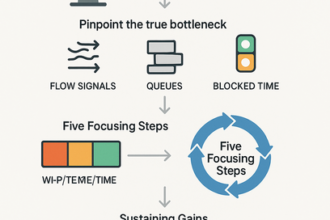
A single visual flow for permits, inspections, materials, and approvals surfaces dependencies and blockers in real time across every site. Early signals—queue length and wait reasons—flag delays before dates slip. Clear ownership ensures each blocker shows the next responsible role, and handoff cues raise trade reliability without policing.
Standard views keep every project on the same board, slashing meetings and email. Field‑first updates let crews tap once on mobile to move work, while connected data syncs with existing tools so the board stays truthful. For practical patterns you can apply without a rip‑and‑replace, Lyaxis shares field‑tested visuals in a no‑fluff briefing—fewer surprises, faster handoffs, and less rework.
From Chaos to Clarity: Enabling Scalable, Low-Friction Field-to-Office Alignment
Alignment scales when updates are lightweight, visual, and standard across sites. Make permits, inspections, materials, and approvals visible as early signals, not late surprises. Standardize one visual layer so project managers (PMs) can spot risk deltas in minutes, not meetings. Tie each signal to an owner and due date so approvals stop stalling. Let crews update from phones in 60 seconds; adoption follows ease. Sync with existing systems to avoid rekeying and reduce email noise. Roll up clean status to executives (execs) so they can intervene sooner and free leadership hours.
For practical, tool-agnostic patterns, see the Lyaxis signals brief—field-tested approaches that cut overruns, steady trades, and protect margin.
Building Lasting Trust: Practical Visual Management for Reducing Schedule Risk
Visual management cuts schedule risk by turning commitments, buffers, and blockers into shared signals across every site. These practices make progress honest and handoffs predictable:
- Standard signals: consistent Red–Amber–Green (RAG) indicators for permits, inspections, materials, and approvals on one board.
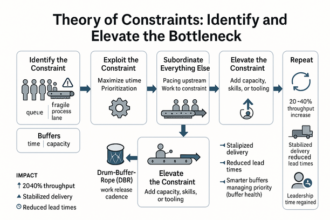
- Visible buffers: show float and buffer burn so teams can act weeks earlier.
- Honest progress: mobile field updates with photos that sync with existing tools.
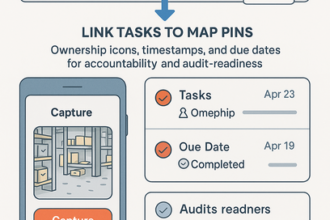
- Clear ownership: every blocker has an owner, next step, and timer.
- Fewer meetings: asynchronous rollups free leaders to remove constraints.
For pragmatic patterns you can test and scale, Lyaxis shares brief, practical notes you can apply across sites. Start here: Lyaxis. Outcome: steadier delivery and fewer surprises.