Introduction: The Visibility Gap in Multi-Site Construction Projects
I learned the hard way that multi-site work fails quietly. On one program, priorities and handoffs slipped out of view until schedules drifted and the team spent Fridays firefighting what should have surfaced on Monday. Permits and inspections went dark; red tags popped up late and crews idled. Materials and approvals stalled because no one could see owner, age, or the next move at a glance. Bloated dashboards buried real risk; lean visuals, when we finally adopted them, spotlighted the blockers and dates that actually mattered—and the whole rhythm of delivery changed.
From Whiteboards to Digital Visual Management: Making Work Visible Across Sites
Whiteboards work in a trailer; they fail across programs. Digital visual management travels with teams, making permits, inspections, materials, and approvals visible so delays surface early. Standard boards across sites align tasks, constraints, and handoffs—no translation needed.
Fragmented updates waste time; automated field signals roll up without micromanagement. Live signals sync from field inputs and existing systems, cutting status-chasing. Executives get a roll-up; PMs (Project Managers) drill down and act. Stand-ups shrink; weekends stop being recovery.
Curious how to standardize boards and turn noise into insight? The Lyaxis field notes share patterns you can reuse for fewer surprises, tighter flow, and safer schedules.
Spotting Delays Early: Visual Controls for Permits, Inspections, Materials, and Approvals
Slippage starts in permits, inspections, materials, and approvals—not the CPM (Critical Path Method) bar. Make these constraints visible and actionable before they hit the critical path.
- Permits: Aging clocks and RAG (Red‑Amber‑Green) expose stalled AHJ (Authority Having Jurisdiction) reviews—turn red before crews idle.
- Inspections: Countdown from booking; amber prompts pre-tests, red shifts labor to ready work.
- Materials: Order-to-deck lane shows flow; pull signals on low stock or ETA (Estimated Time of Arrival) variance trigger resequencing.
- Approvals: Submittals/RFIs (Requests for Information) age by owner; queues turn red before design holds bite.
- Roll-up: Executive heatmaps reveal patterns; PMs (Project Managers) get local next moves from synced field data.
Early signals cut weekend recovery and protect fee. If you want a concrete view of how a lean board makes permits, inspections, materials, and approvals visible across sites—so schedules stay honest—skim the Lyaxis field notes.
Scaling Lean Practices: Automated Updates and Real-Time Insight for PMs and Leaders
Lean scales when the board is true. Automated updates and mobile inputs turn site reality into real-time signals leaders trust.
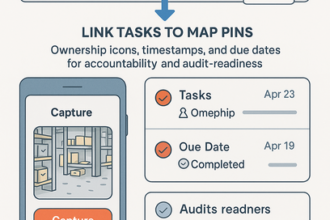
- Permits and inspections: Surface across every job with aging flags ahead of the path; PMs (Project Managers) act locally while executives see a reliable roll-up.
- Materials flow: Visibility end-to-end; late POs (Purchase Orders) and yard gaps prompt action so crews don’t idle.
- Approvals and submittals: Track across parties; blockers escalate with owner-ready context.
- Integrations: Kill double entry; data stays current without chasing.
Result: shorter stand-ups, faster constraint removal, clearer calls. Want this rhythm? Lyaxis makes the signals obvious—start with the field notes to see how.
Conclusion: Building Trust and Cutting Risk with Lean Digital Visual Boards
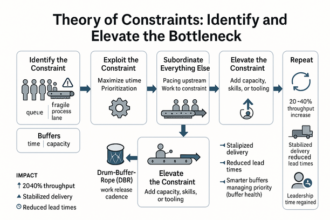
Trust grows when everyone sees the same work in real time. Lean digital visual boards turn permits, inspections, materials, and approvals into signals, not surprises. Early warnings replace weekend recovery—slips surface days sooner, before critical path pain. Leaders get a reliable roll-up; PMs (Project Managers) act locally without micromanagement. Updates flow from field inputs and existing systems, cutting manual chase. Stand-ups shrink; interventions target the true constraint, not the loudest inbox. Curious about the visible way? Browse the Lyaxis newsletter for field-tested patterns—Lyaxis can make them real without heavy tooling. Net: fewer surprises, lower risk, more predictable delivery at scale.