Automation Advantage Newsletter
This issue explores practical approaches to improving knowledge work flow and predictability using Kanban and workflow management. You’ll find insights on visualizing bottlenecks, empowering teams with light standard work, managing work intake based on capacity, and minimizing hidden waste from interruptions.
Pinpoint Kanban Bottlenecks with CFDs and Blocked Columns

Kanban reveals hidden bottlenecks by making unseen queues visible. Using cumulative flow diagrams (CFDs) helps teams spot true constraints and fix flow issues without adding headcount.
Explicit “Blocked” columns and WIP limits stabilize throughput and reduce lead time variability. Operationalizing these insights in Monday.com enables automation of alerts and tracking, improving predictability and reducing firefighting.
Read more → https://lyaxis.com/pinpoint-kanban-bottlenecks-with-cfds-and-blocked-columns/
Kanban for Knowledge Teams: Standard Work Without Red Tape
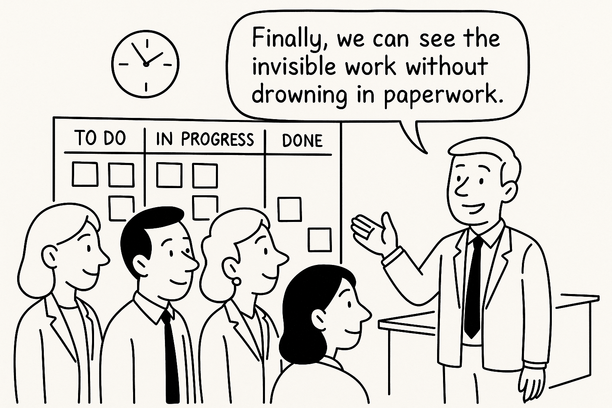
Kanban empowers knowledge teams by visualizing work and limiting concurrent tasks without imposing heavy bureaucracy. Light policies and flow measurement reduce firefighting and speed onboarding.
Teams benefit from defining clear pull criteria, using card checklists for quality gates, and replacing status meetings with flow-focused cadences. The result is steadier delivery, better quality, and faster new hire ramp-up.
Read more → https://lyaxis.com/kanban-for-knowledge-teams-standard-work-without-red-tape/
Pull vs Push: Start Less, Finish More with WIP Limits

Switching from a push to a pull system improves predictability by matching work intake to team capacity. Limiting work in progress (WIP) caps queues, shortens lead times, and reduces rework.
Clear pull signals empower teams to self-regulate, balancing flow and quality. Measuring WIP, cycle time, and throughput replaces status chasing with coaching, delivering calmer, more reliable delivery.
Read more → https://lyaxis.com/pull-vs-push-start-less-finish-more-with-wip-limits/
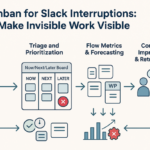
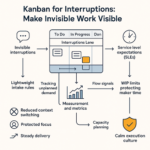
Kanban for Slack Interruptions: Make Invisible Work Visible
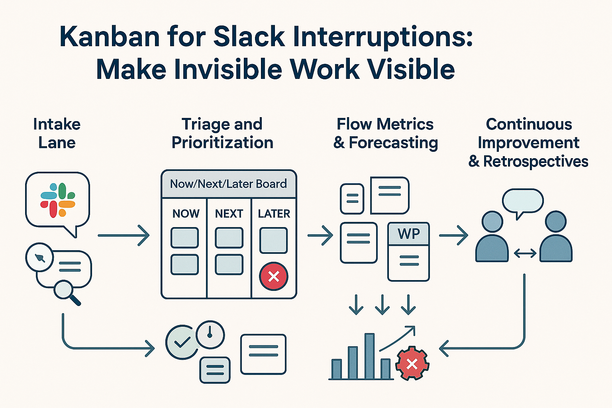
Unplanned Slack interruptions quietly erode productivity. Creating a dedicated Kanban intake lane for ad-hoc requests exposes hidden work and reduces context switching.
Lightweight triage policies and data-driven capacity planning turn interruptions from chaos into actionable metrics. This approach improves flow, builds trust, and protects focus without adding bureaucracy.
Read more → https://lyaxis.com/kanban-for-slack-interruptions-make-invisible-work-visible/