I’ve led teams where growth slowed not because the market shifted, but because work slipped between cracks—approvals buried in threads, ownership unclear, and leaders (myself included) burning hours chasing status. The turning point came when we standardized how work moved across teams, automated the recurring parts, and put documentation exactly where the work happens. What follows is the playbook that took us from chaos to control—without smothering autonomy.
From Chaos to Control: Why Standardizing Work Across Teams Matters
Growth stalls when handoffs slip and leaders chase status. Standardizing how teams work creates predictable delivery without smothering autonomy.
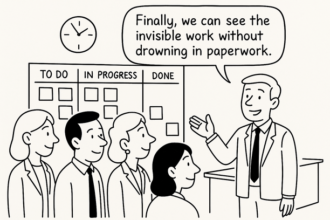
Reusable templates stop reinvention and clarify owners, stages, and SLAs (service-level agreements)—think monday.com boards with status, assignee, due date, and SLA columns.
Light automations catch approvals and deadlines before they slip; dependency nudges cut surprises. Docs live inside the workflow, speeding onboarding and strengthening audit trails.
Guardrails, not handcuffs: teams adapt fields while core steps stay consistent; rollups expose cycle time and bottlenecks. Net: fewer escalations and time back.
Building Repeatable Success with Reusable Workflow and SOP Templates
When results hinge on who’s running the task, scale stalls. Reusable workflows and SOP (standard operating procedure) templates turn tribal knowledge into predictable delivery.
- Capture triggers, owners, SLAs, and the definition of done: embed steps where work lives—monday.com templates and checklists.
- Standardize the 80% that repeats: allow 20% variation with parameters to preserve flexibility without losing control.
- Version-control templates and track adoption: monitor cycle time to see what’s working and where to improve.
- Automate handoffs, approvals, and reminders: reduce oversight and create an auditable trail for every change.
- Centralize status, dependencies, and SOPs: fast onboarding and aligned cross‑team work follow naturally.
Automating Recurring Processes for Predictable Delivery and Faster Onboarding
Chaos fades when recurring work runs itself. Automating triggers, handoffs, and notifications turns deadlines from hope into habit.
- Reusable templates standardize intake, SLAs, and approvals: teams adapt fields, not reinvent processes.
- Light automations on monday.com move items, ping owners, and open docs at each stage: momentum without micromanagement.
- Central boards surface bottlenecks and audit trails: leaders lead, not chase status.
- Onboarding accelerates with role-based views and embedded SOPs: new hires deliver in days, not weeks.
Aligning Cross-Functional Handoffs and Approvals in a Single Source of Truth
Work stalls in inboxes; approvals hide in threads. A single source of truth replaces chase with flow.
- Ownership is explicit: RACI (responsible, accountable, consulted, informed) in one field; SLA nudges before deadlines.
- Handoffs are complete: templates define inputs/outputs; required fields block partial passes.
- Approvals are visible: status and audit trails show who, when, why—without micromanagement.
- Automation removes friction: monday.com boards trigger next steps; dependencies update across teams.
Result: predictable delivery, cleaner audits, fewer pings, and leadership time back.
How monday.com Templates and Automation Can Scale Your Operations Smoothly
When teams run different playbooks, momentum leaks at handoffs. monday.com templates and automations standardize work without adding layers of management.
- Codify repeatable work with templates: set owners, SLAs, and exit criteria—sections keep nuance without losing consistency.
- Trigger intake‑to‑delivery automations: assignments, approvals, and dependencies update automatically—and the audit trail is captured.
- Embed SOPs via connected workdocs: new hires ramp faster with context in-line.
- Lock a master template and auto‑provision boards: track drift, cycle time, and SLA breaches on dashboards.
Ready to see it in action? Spin up a board with prebuilt templates and automations using monday.com: get started here. For practical patterns you can copy, Lyaxis curates quiet, field‑tested breakdowns in a short newsletter you can browse for fit. Outcome: predictable delivery and fewer updates to chase.