Introduction: Unlocking Real-Time Capacity to Cut Overtime and Burnout
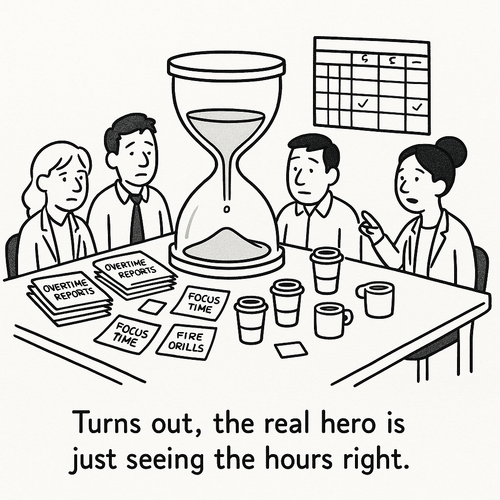
I’ve led teams that worked late for weeks, convinced the crunch was about grit. It wasn’t. We were guessing at capacity. The moment we saw where time actually went—who had focus hours, which handoffs bottlenecked, and how estimates compared to reality—overtime dropped and delivery stabilized without heroics.
Chronic overtime is rarely about hustle—it’s about invisible capacity. When you make capacity visible in real time and schedule to actual effort, commitments become realistic and burnout recedes. Capacity isn’t headcount; it’s focus time and flow. See it clearly and overtime falls while delivery steadies. Expect steadier margins and fewer fire drills when the plan finally matches the work.
Seeing Clearly: Using Workload Data to Reveal True Team Capacity
Start by defining capacity beyond headcount: see true load by person and role, standardize effort estimates (in hours or points), and surface hidden bottlenecks early.
- Focus time: Protect deep-work blocks and flag context switching; calendars and automations make these windows visible.
- WIP (work in progress): Cap active tasks per person to stop thrash; Workload view enforces limits before assignment.
- Throughput: Track items completed per week to reveal bottlenecks; dashboards show where work sticks.
- Effort: Standardize estimates to real hours or points; formulas correct false capacity and keep plans honest.
- Early warnings: Alerts fire before overload; auto-reassign keeps teams balanced.
Lyaxis turns these signals into a Monday.com capacity map—our brief explains how, no pitches. Outcome: fewer fire drills and healthier margins.
Smart Scheduling: Aligning Work with Actual Effort to Balance Teams
Smart scheduling aligns work to actual effort, not wishes. When capacity is visible, overtime falls and delivery steadies.
- Standardize estimates: Use effort bands by role; Effort fields and templates keep plans consistent.
- Balance automatically: Workload caps hours and routes tasks to the next available specialist; dashboards flag overloads early.
- Protect focus: Add 15–20% buffers; automations enforce WIP (work in progress) limits and quiet hours.
- Time handoffs: Dependencies shift by available slack to avoid Friday‑to‑Monday pileups.
Want the calm version of speed? Lyaxis maps your data and shares a copy‑ready board and brief field notes—insight first.
Automation in Action: How Monday.com Enables Capacity-Driven Resource Planning
Capacity‑driven planning turns guesswork into predictable delivery. Tools like Monday.com make limits visible so teams rebalance before overtime spikes.
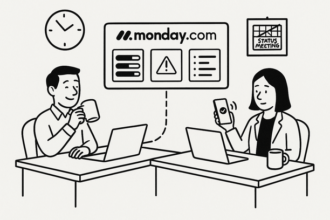
- See load: Workload widgets roll up hours across projects and flag in red when people exceed capacity.
- Schedule to effort: Standardized estimates feed timelines; dependencies auto‑shift to protect downstream work.
- Guardrails, not micromanagement: Automations alert on >100% load and route items to a backlog or alternate teams.
- Get early warnings: Automations flag >90% load and slipping dependencies, preventing last‑minute fire drills.
- Forecast with confidence: Rollups expose hiring gaps weeks out, lifting on‑time delivery and margin.
Beyond Scheduling: Forecasting, Alerts, and Leadership Time Freed
Capacity planning becomes strategic when it forecasts, warns, and frees leadership time. Move from last‑minute shuffles to early signals and steady delivery.
- Forecast demand 6–12 weeks: Use standardized effort and probabilities to see utilization by role; scenario modeling highlights risks.
- Automated alerts: Flag future overloads and at‑risk SLAs (service level agreements) so you can rebalance before overtime accrues.
- Skill‑based assignment: Route work to available skills, trimming burnout by about 20% and protecting margins.
- One source of truth: Dashboards replace spreadsheets, show utilization, risk, and hiring runway—leaders stop status‑chasing.
Skim quiet, proven plays in the Lyaxis newsletter: https://lyaxis.com/category/newsletter/. Result: fewer fire drills, steadier teams, and more time for strategy.