
Introduction: The $X Million Freight Cost Challenge Facing Executives
In quarterly reviews, I kept seeing the same quiet tax erode otherwise strong P&Ls: fragmented shipping born from misaligned warehouse and carrier cutoffs. Partial loads, last‑minute expedites, and siloed targets would compound as volume grew—silently turning into a multimillion‑dollar freight bill. The fastest fix wasn’t a heavy TMS (transportation management system); it was aligning cutoffs by lane so orders batch together without slipping OTIF (on‑time, in‑full). In practice, that routinely unlocked near 14% savings while calming the dock. Size the exposure fast: a 90‑day look at partials versus lane density will show exactly where dollars leak. Then create alignment so finance, operations, and carriers work from the same cutoff SLAs (service‑level agreements) with a shared monthly savings roll‑up. For a deeper walkthrough—and an optional template—you can browse the Lyaxis newsletter any time.
Unlocking Savings: How Aligning Carrier and Warehouse Cutoff Times Drives Consolidation
Partial loads and last‑minute expedites drain margin. Align carrier pickups with dock cutoffs so orders batch into fuller trucks—often trimming freight ~14% without hurting service.
- Time PO releases (purchase orders) to hit the same wave.
- Plan waves to the carrier window so tenders densify naturally.
- Negotiate 30–60 minutes of flex so late lines consolidate, not expedite.
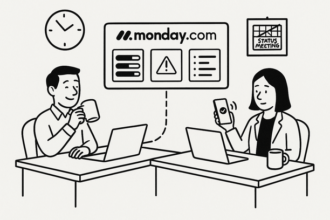
- Track lane density, missed windows, and savings in Monday.com with alerts and a monthly roll‑up.
Create alignment across finance, operations, and carriers so everyone sees the same cutoff SLAs and savings trends. Result: fewer trucks, calmer docks, and savings leadership trusts.
The 14% Freight Spend Reduction: Quantifying the Impact of Smarter Shipment Batching
Freight costs creep because fragmented orders ride expensive minimums. Aligning cutoffs to batch by lane trims ~14% without slipping service.
- Baseline: capture per‑lane weekly spend, average shipment size, and SLA (service‑level agreement) constraints.
- Lane mix: prioritize top lanes driving 80% of cost and rate breakpoints.
- Consolidation yield: holding 1–2 days can lift average weight/stops 25–35%, unlocking 8–10% rate step‑downs and 3–5% stop‑fee dilution—net ≈14%.
- Validation: run a quick lane‑by‑week pull from the WMS (warehouse management system) or 3PL (third‑party logistics provider); use Monday.com to track before/after, savings roll‑ups, and missed‑window alerts.
Outcome: lower spend, steady OTIF (on‑time, in‑full), and calmer operations—no heavy TMS (transportation management system) required.
Sustaining ROI: Using Monday.com to Track Freight Savings and Optimize Lane Performance
Once consolidation starts working, sustain the ROI (return on investment) with simple but visible controls. Monday.com boards link shipments, lanes, and rate cards directly to KPIs (key performance indicators). Automations flag missed consolidation windows and variance to lane targets. Dashboards validate finance‑backed savings with monthly roll‑ups. Exceptions become inputs to continuous improvement: fix the root cause, then expand the play to more lanes. If you want a starting point, the Lyaxis newsletter unpacks the playbook and includes an optional board template.
Next Steps: A Low-Friction Approach to Scaling Freight Savings Without Heavy TMS Investment
Freight spend creeps up when orders fragment and cutoffs misalign. The fastest win isn’t a heavy TMS—it’s consolidating by aligned lane cutoffs, proven quickly and scaled deliberately.
- Pilot a few lanes and co‑create cutoff windows with carriers to densify tenders without slipping OTIF (on‑time, in‑full).
- Target results: teams often see 10–15% freight savings (median ~14%) as consolidation frequency rises 20–35%.
- Prove it in Monday.com: auto‑pull tenders, flag missed windows, and roll up before/after savings monthly by lane.
- Set alerts on time‑to‑cutoff and exceptions so spikes don’t erode gains.
When you want field‑tested plays—or a lightweight template to speed setup—browse the Lyaxis newsletter. Low‑friction savings, clear ROI, and leadership time back.