
Introduction: How Personal Kanban Transforms Focus and Throughput
I used to measure a “good” day by how many things I touched. Then I tried Personal Kanban with strict Work in Progress (WIP) limits—suddenly the noise dropped, my focus deepened, and more work actually crossed the finish line. One visible board, clear policies, and a pull-based rhythm turned scattered effort into steady progress. Personal Kanban makes work visible and caps what’s in progress—fewer switches, calmer days, more finished work.
The Power of WIP Limits and Pull Systems to Finish More by Doing Less
Shift from starting lots to finishing what matters. These core practices drive the change:
- Strict WIP limits: They move teams from starting to finishing; many see about a 20% throughput lift within weeks.
- Pull-based flow: You pull new work only when capacity frees up, so overcommitment fades and promises hold.
- Right-sized queues: Smaller in-progress queues cut context switching and surface bottlenecks early, making delivery predictable without heroics.
- One shared board: Priorities, blockers, cycle time (how long a piece of work takes from start to finish), and throughput (how many items are completed in a time period) become visible, reducing status-chasing.
- Weekly review and tune-ups: Tighten limits, retire stale work, and protect deep time as the system stabilizes.
Visualizing Flow and Bottlenecks: Insights from Personal Kanban Metrics
Personal Kanban works when you can see flow. A few simple signals reveal friction early and guide the next improvement:
- Cycle time, throughput, and blocked work: These fundamentals show whether flow is healthy and where it’s slowing.
- Rising cycle time with high WIP: Tighten limits, slice scope smaller, and pull less until the system recovers.
- Flat throughput while starts grow: Your cumulative flow’s In‑Progress band is widening—address the real constraint, not the backlog.
- Aging blocked items: Surface dependencies and swarm to unblock before starting anything new.
- Dashboards over meetings: Arrival vs. completion trends make status clear at a glance, reducing the need for status theater.
Expect fewer status meetings and notably more finished work once you let these signals guide decisions.
Implementing Personal Kanban in Monday.com: Pragmatic Tools for Lean Leaders
If you want the tooling to quietly enforce focus without heavy process, consider piloting this setup in Monday.com. It supports pull, strict WIP, and clear flow signals with minimal ceremony:
- Board design: Ready, Doing (WIP‑capped), Blocked, Review, Done; templates and tags reveal demand clearly.
- Pull + gentle automations: People pull from Ready; rules prevent starts above WIP, and handoffs trigger the next step automatically.
- Visible policies: WIP caps per person or team are explicit; Blocked items ping owners; priorities live in one place.
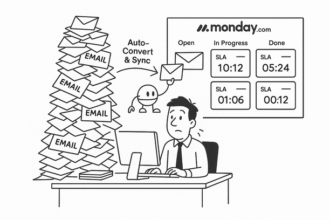
- Flow metrics built in: Dashboards track WIP, cycle time, and throughput; trends expose bottlenecks and aging work at a glance.
In practice, this enforces focus quietly—WIP caps, handoffs, and dashboards without extra meetings—so teams finish more, faster, and with less stress.
Next Steps: Gaining Clarity and Sustained Focus with Personal Kanban
Cap WIP and switch to pull: starts may slow at first, but finishes accelerate. Most teams trade busyness for flow and see meaningful gains—often around 20% more done—without adding headcount or ceremony.
- Start small: Limit WIP to what can truly move this week; keep one shared board and make policies visible.
- Let metrics guide you: Watch cycle time and throughput; fix constraints before adding more work.
- Iterate weekly: Tune limits, retire stale items, and protect deep work blocks.
For practical examples, pitfalls to avoid, and lightweight dashboards, see the Lyaxis field notes in our newsletter—insight first, with an optional Monday.com template when useful. Outcome: calmer execution, predictable delivery, and more finished work with the same team.